
hy most people quit by February—And how to finally make healthy changes stick
Every January, gyms and wellness centers fill up. But research shows 80–92% of New Year resolutions fade by February (1).
Motivation is powerful — but short-lived. What truly creates lasting wellness is the ability to transform resolutions into automatic daily habits.
Below is a science-based, icon-guided roadmap to help your patients and readers build health habits that stay effortless all year long.
🧩 Small but powerful — creates ripple effects throughout health
Research shows people who choose one health goal at a time have far higher long-term success (2).
Examples:
• 😴 Sleep by 10 pm
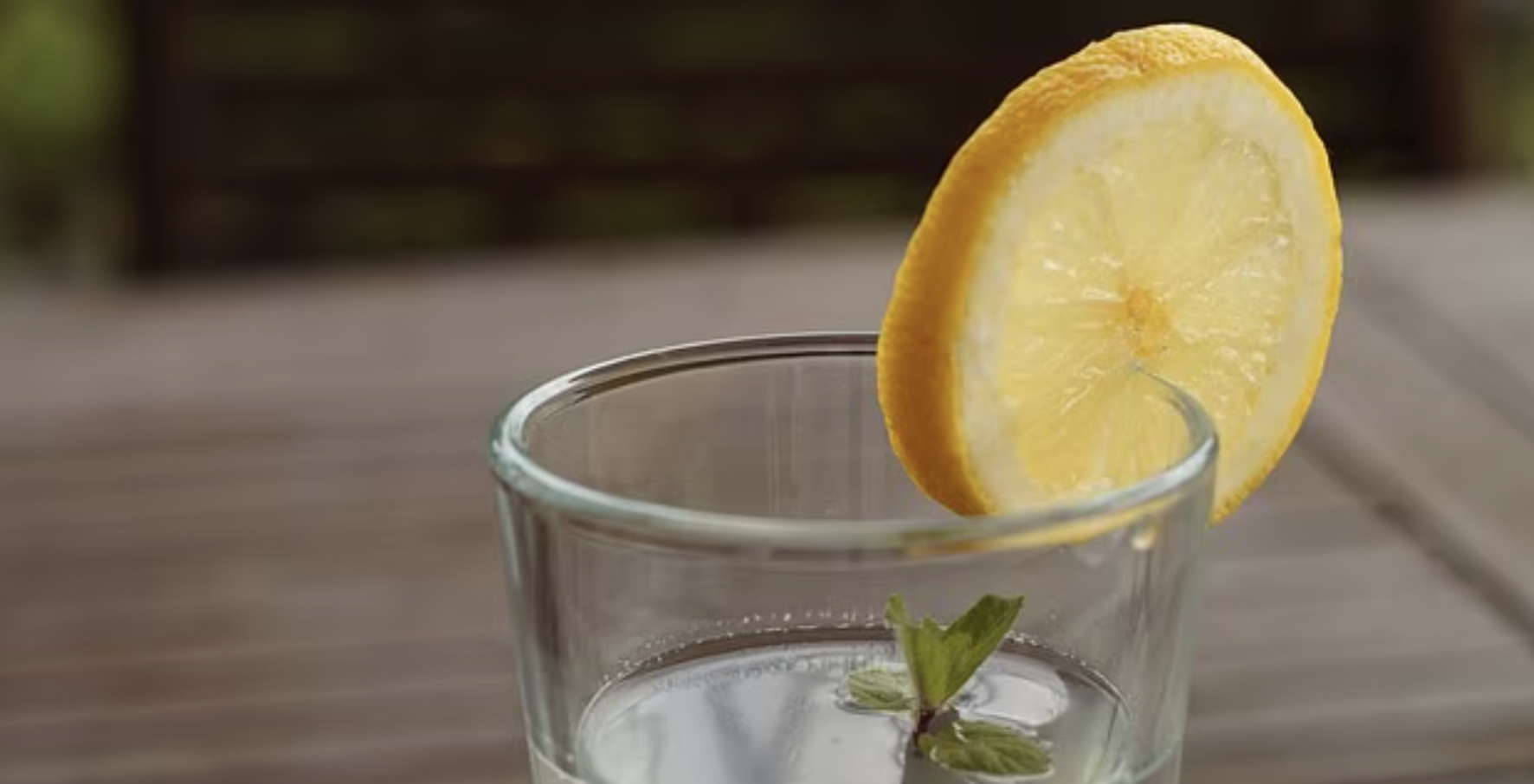
• 🍋 Drink 1 cup of warm ginger–lemon water in the morning to support digestion, metabolism & detox pathways
• 🚶♀️ 10-minute walk after meals
• 🧘 Weekly acupuncture for nervous system regulation
• 🍲 Prepare 2 healthy meals weekly
Choose one → master it → then build the next layer.
🔧 The easier it is, the more automatic it becomes
Behavioral science shows that people naturally choose what requires the least effort (3).
Reduce friction by:
• 👕 Setting out gym clothes the night before
• 💊 Putting supplements next to your toothbrush
• 🗓️ Pre-booking wellness or acupuncture sessions
• 🚰 Keeping a water bottle or tea mug where you can see it
• 🥗 Saving healthy meals in a food delivery app
Healthy habits should fit your life — not fight it.
⏱️ Cue → Routine → Reward
Habits form when anchored to a predictable cue (5).
Examples:
• 🪥 After brushing teeth → Take supplements
• ☕ After morning tea → 5-minute stretch
• 📴 After shutting down work → 15-minute walk
• 🛏️ Before bed → 2 minutes of deep breathing
If a behavior has no trigger, it stays a “goal,” not a habit.
💆♀️ A stressed brain cannot build new habits
Chronic stress elevates cortisol, disrupts sleep, decreases motivation, and impairs decision-making (6–8).
Research shows acupuncture helps regulate the autonomic nervous system, balancing sympathetic and parasympathetic activity (9–10).
When your system calms down:
• motivation increases
• cravings reduce
• sleep improves
• healthy habits feel easy
Your biology must support your behavior.
📌 Attach a new habit to something you already do
This method significantly increases follow-through (11).
Examples:
• 🚿 After shower → Take supplements
• 🚗 After school drop-off → Go to the gym
• 🍽️ After lunch → 10-minute walk
• 🧘 After acupuncture → Breathwork + electrolytes
Stacking = predictability → consistency → automation.
📈 Your brain rewards progress — even tiny steps
Dopamine increases when you see signs of progress (12), which builds intrinsic motivation.
Try:
• ✔️ Daily checkboxes
• 📆 Calendar streaks
• 📱 Oura Ring / Apple Health tracking
• 📝 “Daily wins” notes
Celebrate consistency, not perfection.
👥 Support creates momentum
Research shows accountability increases goal achievement by up to 300% (13).
Build accountability through:
• 🗓️ Weekly acupuncture or wellness sessions
• 🏋️♀️ Group classes or a workout buddy
• 👩⚕️ Working with a health coach
• 📞 Weekly check-ins with a partner
When you’re supported, consistency becomes natural.
💭 Identity shapes behavior more strongly than willpower
Instead of:
❌ “I need to exercise more.”
Say:
✅ “I am someone who moves daily.”
Identity-based motivation is linked to stronger, long-lasting habit formation (14).
This transforms your habit from a task → to who you are.
🪜 Success is not linear — and that’s normal
UCL research found it takes an average of 66 days for a habit to become automatic (15).
During that time, everyone experiences:
• off days
• disruptions
• dips in motivation
Your goal isn’t perfection — it’s returning to the habit faster.
🧪 If habits always feel hard, your physiology may need support
Common barriers include:
• 😵💫 High stress or adrenal fatigue
• 🔥 Inflammation
• 💤 Sleep issues
• 🍭 Blood sugar fluctuations
• 🦠 Gut dysbiosis
• 🧂 Low magnesium, zinc, or B vitamins
• 💢 Chronic pain
Acupuncture + functional medicine help correct root imbalances so habits feel effortless, not draining.
Healthy habits don’t come from more discipline — they come from better systems, a regulated nervous system, and support.
If you're ready to turn your New Year goals into sustainable, effortless habits, Iris Wellness Center is here to guide you.
Book your acupuncture or functional medicine session and start 2026 with clarity, balance, and momentum.

